
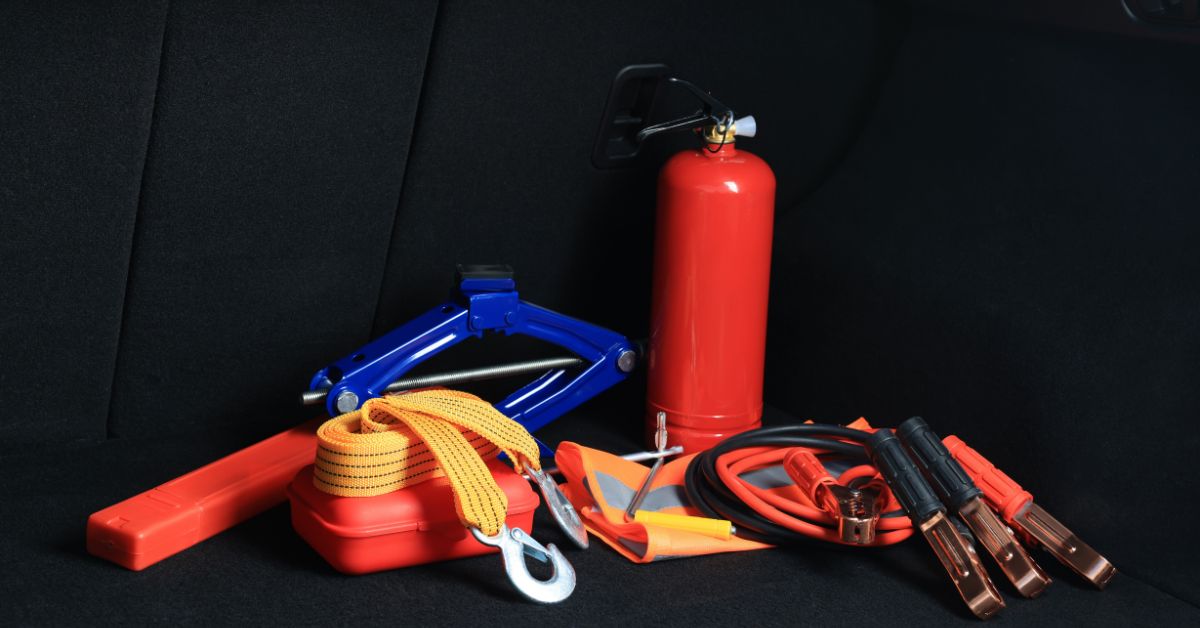
No matter how careful you are on the road, accidents and unexpected breakdowns can happen. Having the right safety and emergency equipment in your car isn’t just smart—it can save lives. From young drivers and first-time car owners to daily commuters and car enthusiasts, equipping your vehicle with the right gear ensures peace of mind and preparedness. In this guide, we’ll explore trending safety accessories, emergency essentials, and practical tips to stay safe behind the wheel in 2025.
Why Safety & Emergency Equipment Matters
Safety gear and emergency supplies reduce risks, prevent panic in unexpected situations, and can minimise damage or injury. Benefits include:
- Quick response to breakdowns or collisions.
- Protection during harsh weather conditions.
- Enhanced safety for passengers and pets.
- Compliance with road safety regulations in some regions.
Safety & Emergency Accessories
1. First Aid Kits
Compact, car-specific first aid kits are increasingly popular. They contain essentials like bandages, antiseptics, gloves, and emergency blankets.
Tip: Check expiration dates and replace used items regularly.
2. Portable Jump Starters & Battery Packs
Portable jump starters allow drivers to power a dead battery without relying on another vehicle. Some also double as power banks for phones and devices.
Tip: Choose models with built-in safety features like overcharge and short-circuit protection.
3. Emergency Roadside Kits
These kits often include warning triangles, reflective vests, flashlights, tyre repair tools, and multipurpose tools.
Tip: Keep kits accessible in your trunk for quick reach.
4. Fire Extinguishers
Compact, automotive-rated fire extinguishers can prevent small fires from becoming catastrophic.
Tip: Learn how to operate it properly and check pressure levels periodically.
5. Tire & Wheel Emergency Tools
Portable air compressors, tyre inflators, and repair kits are trending for drivers who want to handle minor tyre issues without calling for help.
Tip: Regularly inspect tyre condition and keep tools within reach.
How to Build a Safety & Emergency Kit for Your Car
Step 1: Prioritise Essentials
Start with first aid, basic tools, and visibility items like reflective triangles.
Step 2: Include Power & Communication Tools
Portable chargers, jump starters, and flashlights ensure you can call for help and maintain visibility.
Step 3: Factor in Seasonal Needs
Consider snow chains, blankets, or extra water and snacks for winter and summer emergencies.
Step 4: Organise for Accessibility
Use storage bags or trunk organisers to keep everything in one place.
Step 5: Maintain & Check Regularly
Test flashlights, check battery levels, and refresh expired first aid items at least twice a year.
Common Mistakes to Avoid
- Overlooking vehicle-specific items like spare fuses or tyre repair tools.
- Storing equipment in hard-to-reach locations during emergencies.
- Forgetting to train yourself or passengers on basic first aid and kit usage.
- Neglecting periodic checks and replacements of expired or worn-out items.
Safety and emergency equipment is not optional—it’s a critical part of responsible car ownership. From first aid kits and jump starters to roadside warning tools, investing in quality gear ensures you and your passengers are prepared for the unexpected.
Check out our other blogs on interior accessories, lighting upgrades, and tyre & wheel accessories to complement your vehicle’s safety and functionality.
0 Comments