
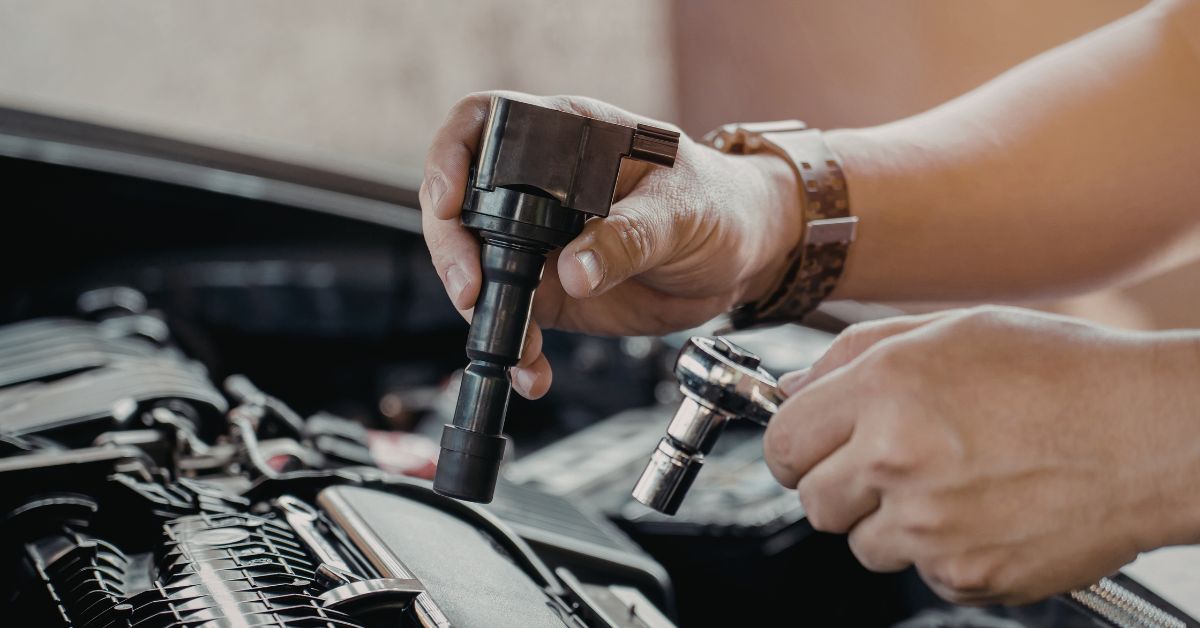
Owning a car isn’t just about driving—it’s about maintenance and being prepared for unexpected issues. Having the right automotive tools and DIY essentials can save time, money, and stress. Whether you’re a car enthusiast, first-time owner, or someone who enjoys hands-on maintenance, equipping your vehicle with the proper tools is crucial.
This guide explores must-have tools, trending DIY solutions, and practical tips to keep your car in top condition.
Why Automotive Tools & DIY Essentials Matter
- Convenience: Handle minor repairs and maintenance at home without relying on a mechanic.
- Cost Savings: DIY solutions reduce repair and service costs.
- Safety: Proper tools ensure tasks are done correctly and safely.
- Empowerment: Gain confidence in understanding your vehicle and performing basic upkeep.
Trending Automotive Tools & DIY Essentials
1. Socket & Wrench Sets
Socket and wrench sets are essential for basic repairs, including battery replacement, brake adjustments, and engine work.
Tip: Choose sets with ergonomic handles and durable materials for long-lasting use.
2. Car Jacks & Lifting Equipment
Hydraulic floor jacks, scissor jacks, and jack stands make tire changes and undercarriage maintenance easier and safer.
Tip: Always use jack stands to secure the vehicle before working underneath it.
3. Diagnostic Tools & OBD-II Scanners
OBD-II scanners provide instant insight into engine performance, error codes, and maintenance needs. Wireless options connect to smartphones for real-time updates.
Tip: Invest in a scanner compatible with your vehicle make for accurate diagnostics.
4. Tire Maintenance Tools
Portable air compressors, tire pressure gauges, and tread depth indicators help maintain tire safety and longevity.
Tip: Regularly check tire pressure and tread depth to prevent accidents and uneven wear.
5. Battery & Electrical Tools
Battery testers, jumper cables, and power packs ensure your car starts reliably and keeps electronics running.
Tip: Store cables neatly to prevent damage and quick access in emergencies.
6. Cleaning & Detailing Essentials
Microfiber towels, brushes, polishers, and detailing sprays help maintain your car’s appearance while preventing scratches or paint damage.
Tip: Use dedicated tools for interior and exterior surfaces to prevent cross-contamination.
How to Build a Basic Automotive Tool Kit
Step 1: Start with Safety Essentials
Include gloves, safety glasses, a flashlight, and a first aid kit.
Step 2: Cover Basic Maintenance Tools
Wrenches, screwdrivers, pliers, and a jack should be your foundation for general repairs.
Step 3: Add Specialty Tools
OBD-II scanners, tire gauges, and battery testers allow you to monitor performance and prevent major issues.
Step 4: Include Emergency & Repair Items
Jumper cables, duct tape, fuses, and spare bulbs ensure you’re prepared for unexpected breakdowns.
Step 5: Organise Your Tools
Use a toolbox or trunk organiser to store tools safely and access them quickly when needed.
Common Mistakes to Avoid
- Buying cheap, low-quality tools that break easily.
- Neglecting safety gear like gloves and glasses.
- Overcomplicating your tool kit with unnecessary items.
- Failing to learn proper use of tools before attempting repairs.
- Storing tools loosely in the trunk creates hazards during driving.
Automotive tools and DIY essentials empower car owners to perform maintenance safely, efficiently, and cost-effectively. From socket sets and jacks to OBD-II scanners and tire tools, the right equipment ensures your car stays reliable and well-maintained.
Explore our other blogs on car electronics, car care & cleaning supplies, and vehicle chargers & power accessories to build a complete toolkit for a safer and smarter driving experience.
0 Comments